
Paul Munyaka
 Sep 25 2025
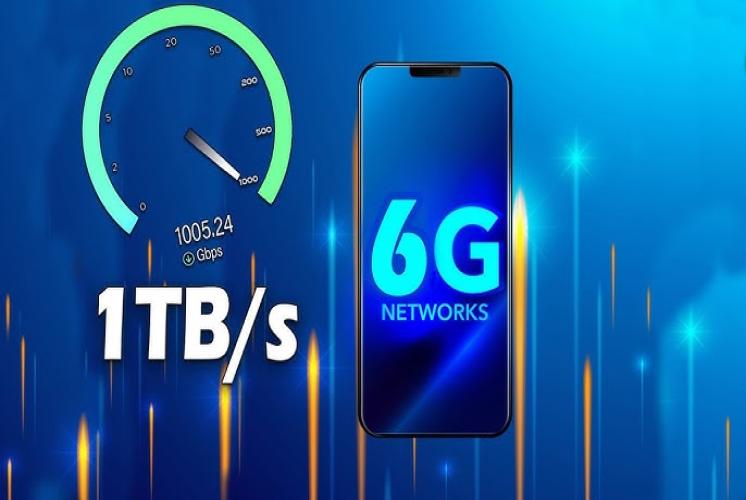
Superfast sixth-generation, or 6G, mobile internet services may not be as far away as many think. Qualcomm has confirmed that it is working toward bringing the first 6G-enabled devices within the next three years, with early test models expected to arrive by 2028.
During the Vision Keynote presentation at Qualcomm’s annual event, CEO Cristiano Amon revealed that the company is gearing up for the transition to 6G. These initial devices won’t be sold commercially but will serve as pre-commercial prototypes designed to demonstrate the possibilities of the new wireless standard.
“We have been very busy working on the next generation of connectivity…which is 6G. Designed to be the connection between the cloud and Edge devices,” Amon said.
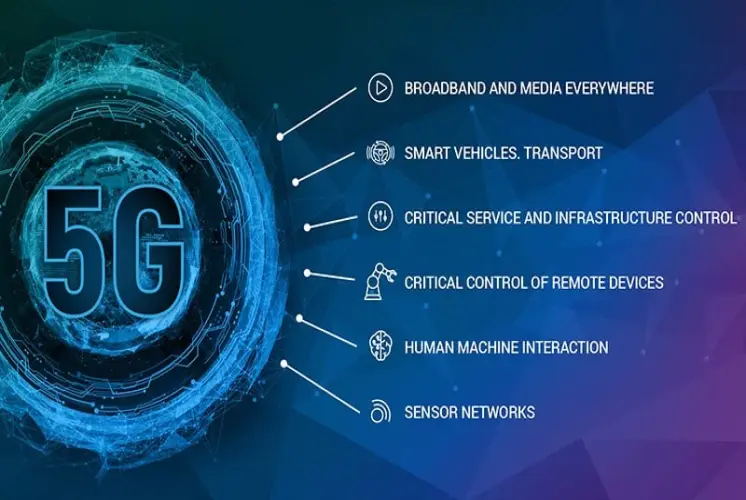
Unlike 5G, which primarily focused on boosting internet speeds and network capacity, 6G is being designed as a network of intelligence. According to Amon, it will integrate perception and sensor data, enabling context-aware intelligence at scale. This shift will allow for a completely new set of use cases, ranging from autonomous vehicles to immersive augmented and virtual reality experiences, and seamless connections between devices at the edge and the cloud.
5G networks, rolled out in major markets a few years ago, already offer faster download and upload speeds compared to previous generations. Nearly all new smartphones today support 5G, but adoption is still relatively modest—only about one in seven people worldwide use a 5G smartphone, according to Strategy Analytics.
Despite significant investment, telecom operators continue to face challenges monetising 5G. This has fueled anticipation around 6G, which many believe will not only transform connectivity but also create entirely new business models and industries.
Experts note, however, that the transition to 6G will require a radical overhaul of semiconductor technology, circuits, systems, and algorithms. While Qualcomm expects pre-commercial devices in 2028, commercial 6G smartphones and other consumer devices are unlikely to appear before 2030.
One of the most debated questions in the industry is whether 6G could make smartphones obsolete. Some predict that within a decade, the central hub of digital life may shift from handheld devices to a broader ecosystem of interconnected products: driverless cars, smart glasses, AR/VR headsets, and edge computing systems.
At the Mobile World Congress (MWC) in Barcelona earlier this year, 6G was a major topic of discussion among global telecom companies. While there is no consensus yet on whether smartphones will remain as central as they are today, most agree that 6G will play a pivotal role in shaping a hyper-connected, intelligent ecosystem.
For now, consumers should not expect 6G-ready phones on store shelves anytime soon. Qualcomm’s announcement marks the beginning of a testing phase for the next era of mobile internet. If industry timelines hold, the world could see its first wave of commercial 6G devices by the end of the decade, ushering in a new age of connectivity that blurs the line between the digital and physical worlds.


At TechMaverick, we specialize in building powerful mobile applications using Flutter, allowing us to create high-quality, cross-platform apps from a single codebase.tyui